A tree crashing down during a windstorm or after a big rain isn't just a nuisance; it's a huge deal for your property. Once the immediate danger passes and the emergency tree removal crew clears all the mess, you might think you're done with it. But that's often not the case. There's plenty you can do to make sure that one incident doesn't cause even more headaches down the line.
Keeping the Work Strong: What to Do After Tree Removal
When we talk about 'extending the life of the work,' what we really mean is making sure the spot where the tree used to be stays healthy and doesn't create new problems. First off, if the tree came down because of disease, you really need to think about that soil. Sometimes, the pathogen can hang around. It's smart to mix in some fresh compost or even get a soil test before you plant anything new there, especially if you're putting in another tree or a delicate shrub. You certainly don't want to just move the problem from one tree to the next.
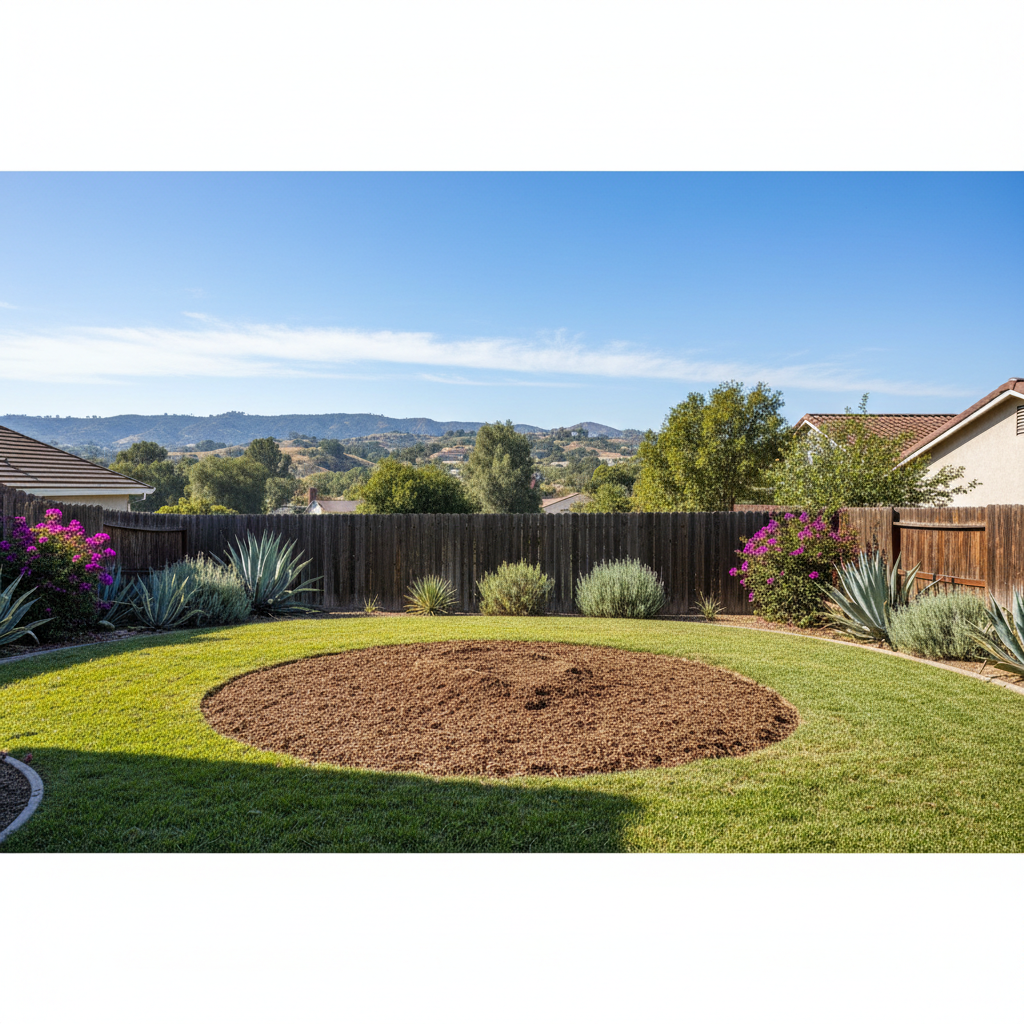
Then there's the stump. If we ground it down, you'll have a mix of wood chips and soil. This stuff will break down over time, and the ground will settle. You might notice a dip forming. Just fill it in gradually with good topsoil to keep your lawn or garden bed nice and level. If the stump wasn't ground, it's going to rot. That's a huge draw for pests like termites and carpenter ants, which you absolutely don't want anywhere near your house. So, make sure you deal with that stump, whether it's grinding it out or treating it to speed up decomposition and keep those pests away.
Regular Upkeep: What Happens After a Tree Emergency?
Even if only one tree caused the emergency, it often hints at a bigger issue with how healthy or stable your landscape is. So, what does 'regular maintenance' look like from now on? It's all about getting ahead of things. Take a good look at the other trees on your property, especially those close to the one that fell. Did they get damaged at all? Are they now getting more sun or wind than they're used to? Sometimes, a sudden increase in exposure can really stress a tree out.
- Check Things Often: Walk around your property once a month, especially after those strong Santa Ana winds or winter rains. Look up into the canopy, down at the base, and around the roots.
- Prune for Health: Make sure your other trees get proper structural pruning. This isn't just about looking good; it's about getting rid of weak limbs, helping air move through, and lowering the chances of another tree failing. We often see trees in older Pasadena neighborhoods, like around the Caltech area, that haven't been properly pruned in years, which makes them much more likely to suffer storm damage.
- Water Smartly: Especially during our long, dry California summers, stressed trees are weak trees. Make sure your trees are getting enough water, but don't overdo it, okay? Deep, less frequent watering usually works best for established trees.
- Watch for Pests/Disease: Keep an eye out for any signs of disease or insect problems on your remaining trees. Catching it early can really save a tree.
Warning Signs: Don't Wait for Another Emergency
You've already had one emergency; you definitely don't want another. Here are some red flags to keep an eye out for:
- Cracks or splits in the trunk or big limbs: These mean structural weaknesses.
- Dead or hanging branches: These are basically accidents waiting to happen.
- Sudden leaning: If a tree starts to tilt, especially after a storm, its root system might be messed up.
- Mushrooms or fungi growing at the base: This often points to internal rot in the trunk or roots.
- Soil heaving up around the base: This is a big sign the root plate is failing.
- Sparse leaves or discolored ones: Could be disease, pests, or just really stressed.
- Cables or bracing failing: If you've got structural support installed, check it regularly.
When to Call in the Pros
Look, you're not expected to be a tree expert. That's our job. You should call a professional, like us at Pasadena Tree Service, any time you spot those warning signs. Don't try to prune big branches yourself or figure out a tree's structural integrity if you haven't been trained. It's dangerous, and you could end up hurting the tree more or, worse, yourself or your property.
Also, if you're thinking about planting a new tree where an old one was removed, especially a large shade tree, it's really worth getting a consultation. We can suggest species that are right for our local climate, your soil conditions, and your specific property, helping you avoid future issues. Sometimes, a tree that was perfectly fine for 50 years suddenly becomes a hazard because conditions change or it just gets old. Being proactive is always cheaper and safer than having to react to an emergency.