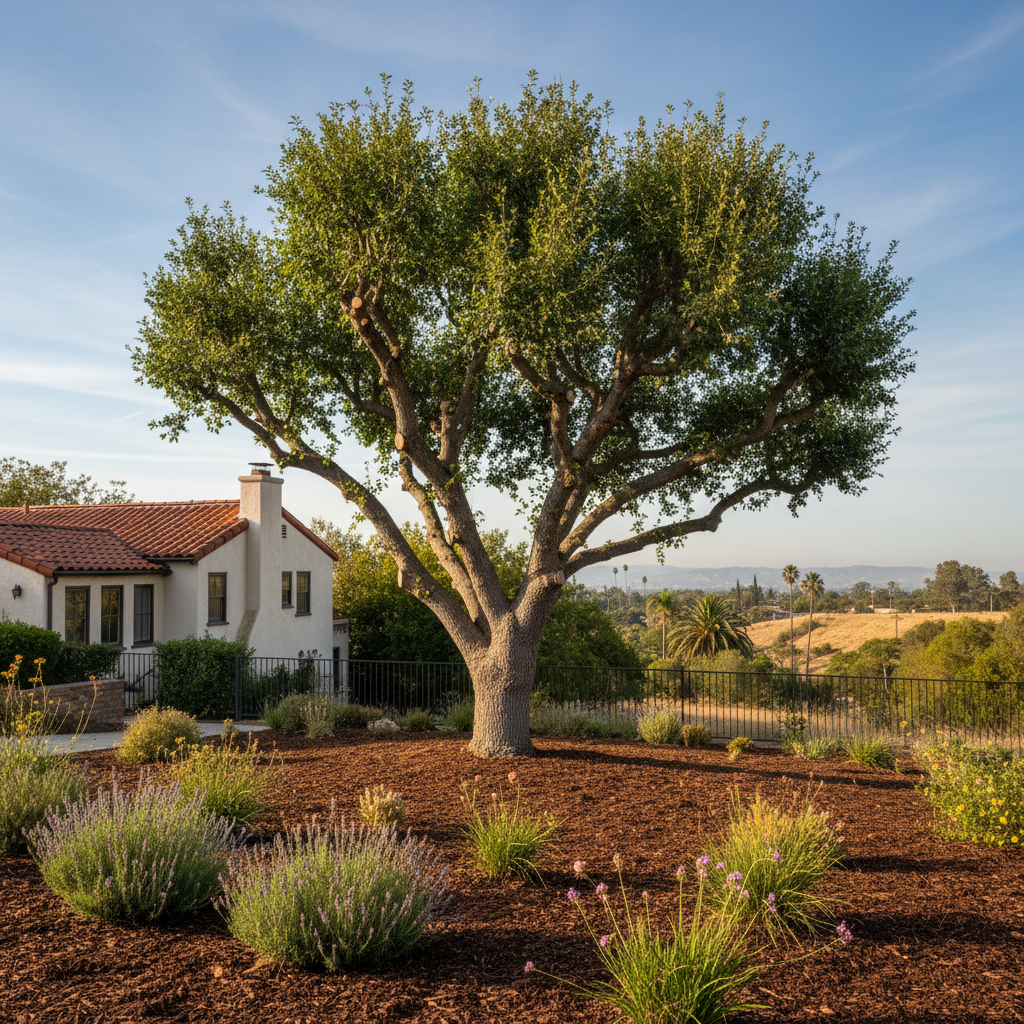
You’ve got beautiful trees in your yard, maybe a mature oak shading your house or a jacaranda that bursts with purple every spring. But are you really giving them what they need to stick around for the long haul? Trees aren’t just pretty landscaping; they’re investments, and they need proper care to stay healthy, safe, and looking their best, especially with our specific climate here in Pasadena.
I’ve seen too many good trees go bad because folks didn’t know what to look for or when to act. Let’s talk about how you can keep your trees thriving for years to come.
Extending the Life of Your Trees: It Starts Early
The best way to ensure a long life for your trees is to set them up for success from day one. If you’re planting new trees, pick the right species for our area. We get hot, dry summers and occasionally wet winters, so drought-tolerant natives or well-adapted species are always a smart bet. Think about how big that tree is going to get and if it’s got enough room to spread its roots and canopy without bumping into your house, power lines, or your neighbor’s fence. A lot of problems I get called out for could have been avoided with better planning.
Proper planting is huge too. Don’t plant it too deep, make sure the root flare is visible, and give it a good, deep watering right after. For established trees, good structural pruning when they’re young can prevent major issues down the line. We call it 'training' the tree. It helps develop a strong central leader and well-spaced branches, which means less chance of breakage in a Santa Ana windstorm when they’re bigger.
Regular Maintenance: Your Tree's Annual Check-Up
Think of tree maintenance like going to the doctor or getting your car serviced. It’s not about waiting for something to go wrong; it’s about prevention. Here’s what you should be doing:
- Watering: This is critical, especially during our long, dry summers. Don’t just sprinkle the surface. Trees need deep, infrequent watering that encourages roots to grow down, not just stay near the top. Young trees need more frequent watering than mature ones. For established trees, a good rule of thumb is to water slowly for several hours, letting the water penetrate deep into the soil, once every 2-4 weeks during dry periods.
- Mulching: A 2-4 inch layer of organic mulch (like wood chips) around the base of your tree, but not touching the trunk, is a game-changer. It holds moisture in the soil, regulates soil temperature, and suppresses weeds. Plus, as it breaks down, it adds nutrients back to the soil.
- Pruning: This isn't just about making a tree look pretty. Proper pruning removes dead, diseased, or crossing branches, improves air circulation, and maintains structural integrity. For most mature trees, once every 3-5 years is usually enough for maintenance pruning, but younger trees might need it more often for training.
- Inspecting: Just take a walk around your trees every now and then. Look up, look down, look at the trunk. You’d be surprised what you can spot early.
Warning Signs: Don't Ignore These Red Flags
Your trees often tell you when something’s wrong, you just need to know how to listen. Here are some common warning signs:
- Discolored or Wilting Leaves: If leaves are turning yellow or brown prematurely, or if they’re wilting even after you’ve watered, it could be a sign of drought stress, nutrient deficiency, or disease.
- Dead Branches: A few dead twigs are normal, but large dead branches in the canopy are a serious concern. They can fall and cause damage or injury.
- Fungus or Mushrooms: Fungi growing on the trunk or around the base of the tree often indicate internal decay, especially if it’s a shelf fungus or a cluster of mushrooms.
- Cracks or Splits: Any significant cracks in the trunk or major limbs are structural weaknesses that need immediate attention.
- Leaning: If a tree suddenly starts leaning, or if you see soil heaving around the base, its root system might be compromised. This is especially dangerous for large trees.
- Pest Infestations: Look for unusual holes in the bark, sawdust-like material, sticky sap, or visible insects. Some pests, like the Goldspotted Oak Borer that's been a problem for our native oaks, can be devastating if not caught early.
When to Call a Professional: Don't DIY Everything
Look, I’m all for homeowners taking pride in their property, but some jobs are just too big or too dangerous to tackle yourself. Here’s when you absolutely need to call in a certified arborist, like us at Pasadena Tree Service:
- Large Branch Removal: If a branch is too high to reach safely from the ground, or if it’s over your house, power lines, or a public walkway, don’t risk it.
- Tree Removal: This is a complex and dangerous job that requires specialized equipment and expertise.
- Storm Damage: After a big storm, if you have broken or hanging branches, or a partially uprooted tree, call a pro. It’s not safe to approach these situations on your own.
- Suspected Disease or Pest Infestation: If you’re seeing those warning signs I mentioned and aren’t sure what’s going on, an arborist can diagnose the problem and recommend treatment. We know what common issues affect trees in areas like the San Rafael Hills.
- Major Pruning or Structural Issues: If your tree needs significant pruning to improve its structure, or if you’re worried about its stability, get an expert opinion. Improper pruning can do more harm than good and shorten a tree’s life.
- Planting Large Trees: Getting a big tree in the ground correctly can make all the difference. We’ve got the equipment and know-how to ensure it gets a good start.
Taking care of your trees is a commitment, but it’s one that pays off with shade, beauty, and increased property value. Don’t wait until there’s a crisis; a little proactive care goes a long way.