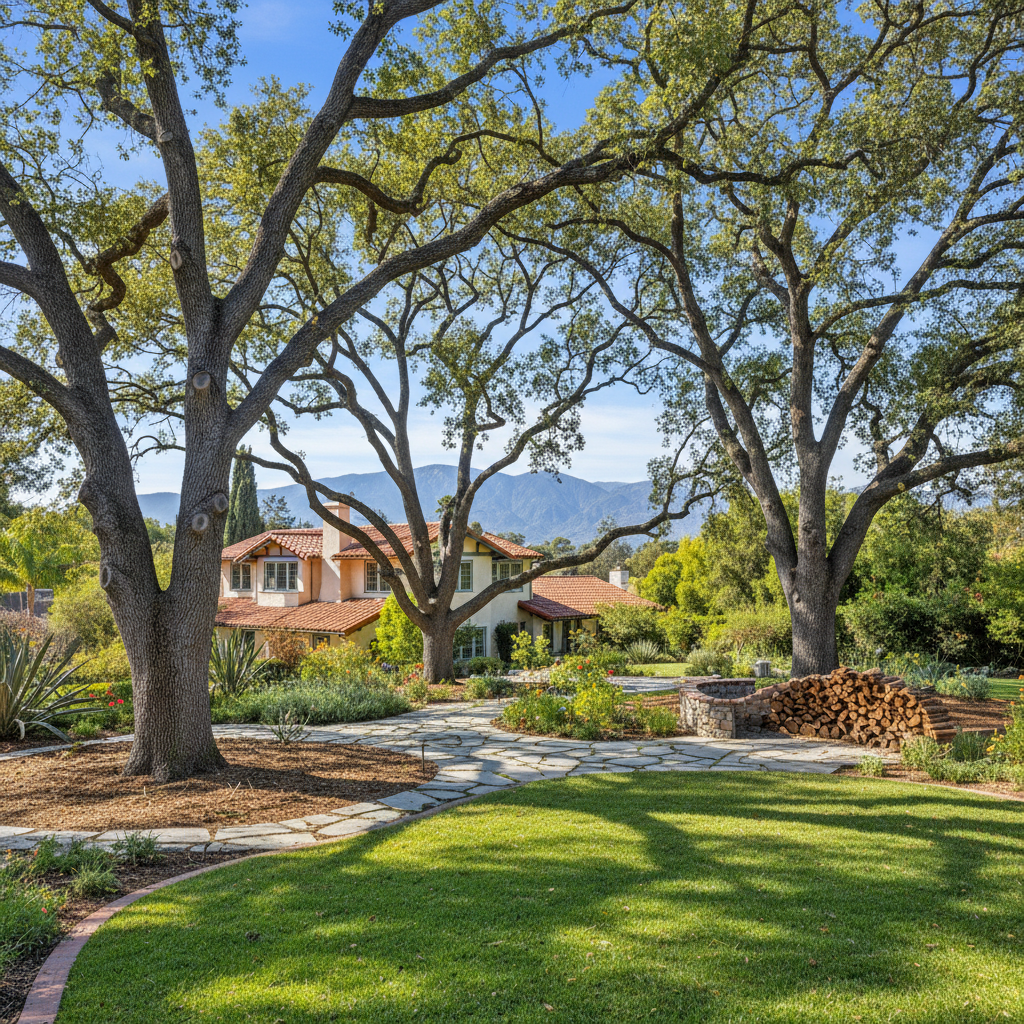
You've got beautiful trees, and you want to keep 'em that way. That's smart. But here in Pasadena, with our unique climate, knowing when to do what for your trees is just as important as knowing how. It's not a one-size-fits-all situation, especially when you're dealing with everything from mature camphor trees in Bungalow Heaven to young citrus in a new development.
Winter: The Best Time for Major Pruning
When the leaves drop (for deciduous trees, anyway) and the trees are dormant, that's your prime window for any heavy-duty pruning. Why? A few reasons. First, you can see the tree's structure clearly without all the foliage getting in the way. It makes it easier to spot dead, diseased, or crossing branches that need to go. Second, the tree is essentially 'asleep,' so pruning causes less stress. It won't be actively trying to grow new leaves or fruit, so it can put its energy into healing those cuts.
We typically see our coldest, wettest weather in winter, and while that might seem like a hassle, it's actually good for tree work. The ground is softer, which helps with stump grinding if you're taking something out, and the cooler temps mean less heat stress for the crew. Just make sure it's not actively raining or super windy when we're up there with chainsaws. Wet wood can be slippery, and high winds make any aerial work dangerous. If you've got a big job, like removing a massive old sycamore, winter is definitely the time to schedule it. It also minimizes the risk of pest and disease transmission, as many pathogens are less active in colder months.
Spring: Waking Up and Getting Fed
As soon as you start seeing those first new buds and tiny leaves, your trees are waking up. This is a great time for lighter pruning, often called 'maintenance pruning,' especially for flowering trees after they've bloomed. You want to give them a chance to show off their flowers before you start shaping them up. It's also the ideal time for fertilization. Your trees are hungry and ready to absorb nutrients to fuel all that new growth.
Think about it like this: they've just had a long nap, and now they're ready for breakfast. A good, slow-release fertilizer applied around the drip line can give them a real boost. We're also keeping an eye out for pests and diseases that start to emerge with the warmer weather. Early detection is key here. If you notice anything unusual – strange spots on leaves, wilting, or an unusual number of bugs – give us a call. It's much easier to treat a problem when it's small than when it's taken over half your tree.
Summer: Keeping an Eye Out, Not a Saw
Summer in Pasadena means heat, and often, dry spells. This isn't the time for major pruning. Cutting branches during the hottest months can stress the tree, making it more susceptible to disease and sun scald. Think of it like getting a bad sunburn right after surgery – not ideal. The tree is already working hard to keep itself hydrated and healthy in the heat.
What you should be doing in summer is watering, especially for younger trees or those that seem stressed. Deep, infrequent watering is better than shallow, frequent watering. You want that water to get down to the root system. Mulching around the base of your trees helps a ton too, keeping the soil moist and cool. We're mostly doing emergency work in summer – storm damage from those intense, sudden thunderstorms we sometimes get, or removing trees that have become hazardous due to disease or structural issues. Otherwise, it's about monitoring and making sure your trees are well-hydrated.
Fall: Preparing for Dormancy and Clean-Up
As the weather cools down and we head into fall, your trees are starting to wind down for their winter rest. This is another good time for some lighter pruning, especially to remove any dead or weak branches that might have been missed or developed over the summer. It's also a crucial time for clean-up. Raking up fallen leaves, especially from fruit trees, can help prevent diseases and pests from overwintering and causing problems next spring.
For some species, like certain fruit trees, fall can be a good time for specific pruning tasks to encourage better fruiting next year. If you're unsure, just ask. That's what we're here for. We also do a lot of tree health assessments in the fall, getting a good look at everything before it goes dormant. It's a great opportunity to plan out any bigger jobs for the upcoming winter.
The Pasadena Tree Service Difference
Understanding these seasonal rhythms is crucial for keeping your trees healthy and beautiful year-round. Our local climate, with its hot, dry summers and mild, wet winters, means we have specific needs for our trees. Drought conditions, for example, can weaken trees over time, making them more vulnerable to pests and disease, so proper watering and care are non-negotiable.
Don't just guess when it comes to your valuable trees. A little planning goes a long way. If you're ever in doubt about what your trees need and when they need it, give us a call. We're always happy to come out, take a look, and give you an honest assessment. We've been working with Pasadena's trees for a long time, and we know what makes them thrive.