Structural Pruning vs. Crown Reduction: Picking the Right Trim for Your Pasadena Trees
You've got trees on your property, and you know they need looking after. But when it comes to pruning, it's not just about lopping off branches. There are different approaches, and choosing the right one makes a big difference for your tree's health, safety, and even its lifespan. Today, I want to talk about two common methods we use here in Pasadena: structural pruning and crown reduction. They sound similar, but they're for different situations.
What is Structural Pruning?
Think of structural pruning as building a strong foundation for your tree. We usually do this on younger trees, but it's also important for mature ones that might have developed some issues. The goal is to encourage a strong central leader (the main trunk) and well-spaced, sturdy scaffold branches that can support the tree's weight as it grows. We're looking for good branch angles, removing crossing or rubbing branches, and generally shaping the tree to be resilient against storms and heavy winds – something we definitely get here in Pasadena, especially with those Santa Ana winds whipping through the foothills.
When we do structural pruning, we're not taking off a huge amount of the tree's canopy. It's more about strategic, smaller cuts that guide the tree's growth. We want to prevent future problems before they become big, expensive headaches. It's like preventative medicine for your trees.
Cost & Durability
- Cost: Generally less expensive per session, especially for younger trees, because it's about smaller, more precise cuts and less material removal. It's an investment that pays off over time by preventing costly issues later.
- Durability: Excellent. A structurally sound tree is much more durable. It's less likely to break apart in high winds or shed large limbs, meaning less damage to your property and a longer, healthier life for the tree.
Maintenance & Appearance
- Maintenance: Regular structural pruning (every 2-5 years, depending on the tree's age and species) keeps the tree on track. It's not a one-and-done deal, but the maintenance is usually less intensive than correcting major problems.
- Appearance: The tree maintains its natural form, often looking healthier and more balanced. It's about enhancing the tree's inherent beauty, not reshaping it drastically.
What is Crown Reduction?
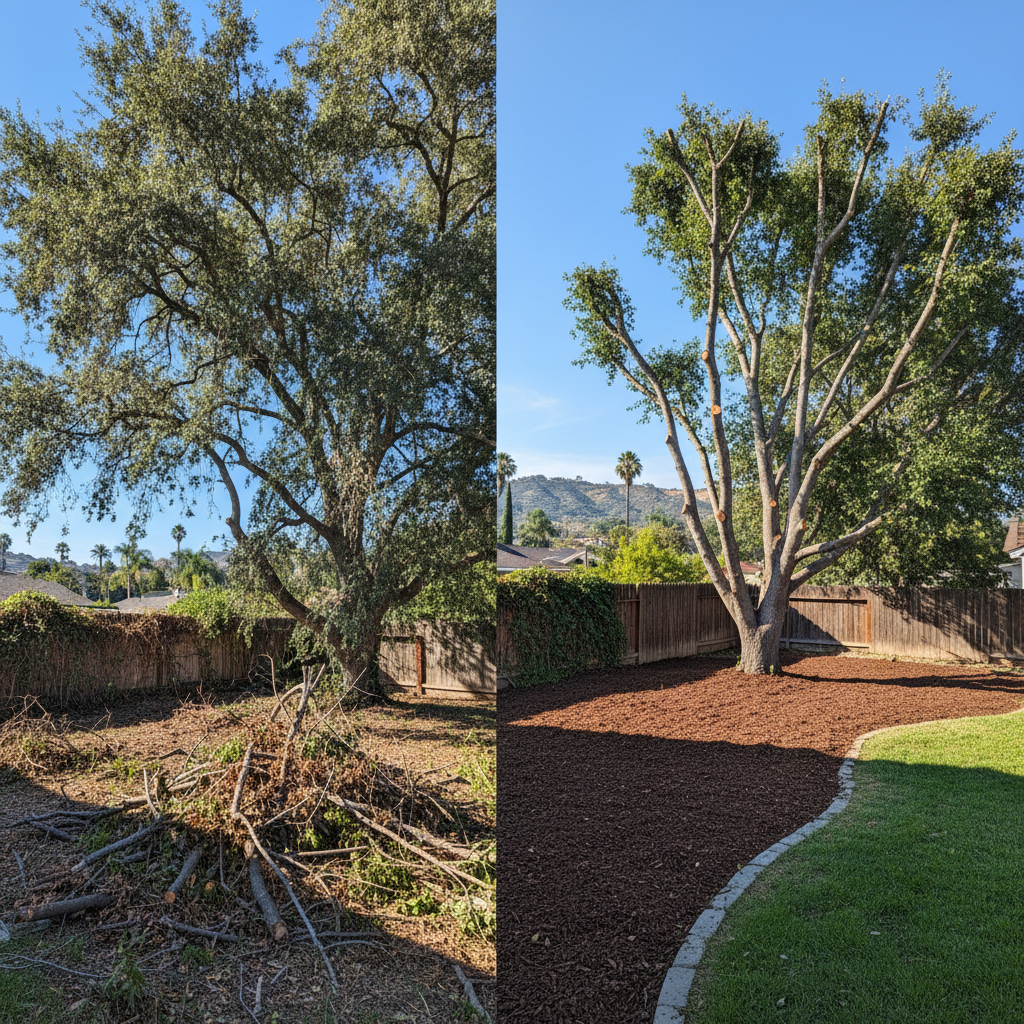
Now, crown reduction is a different beast. This is when we're actually reducing the overall size of the tree's crown – its height and spread. We do this by cutting back larger branches to smaller lateral branches, maintaining the tree's natural shape as much as possible. It's not the same as 'topping,' which is a terrible practice that just cuts branches indiscriminately and harms the tree. Crown reduction is done carefully to specific points, aiming to reduce stress on the tree, clear power lines, or reduce the risk of branches hitting a house or other structure.
You might need crown reduction if you have a very large tree, say a mature Oak in an older Pasadena neighborhood like San Rafael Hills, that's grown too close to your roof, or if a storm has damaged a significant portion of the crown. We're trying to make the tree safer and more manageable without compromising its health.
Cost & Durability
- Cost: Typically more expensive than structural pruning because it involves larger cuts, more material removal, and often requires specialized equipment and more time on site.
- Durability: If done correctly, it can improve durability by removing hazardous branches and reducing the tree's sail area (making it less susceptible to wind damage). If done poorly, it can severely weaken the tree, leading to decay and future failures.
Maintenance & Appearance
- Maintenance: Can require more frequent follow-up if the tree responds with vigorous sprout growth (suckering). The tree will try to grow back what it lost.
- Appearance: A well-executed crown reduction should still leave the tree looking natural, just smaller. A poorly done job can leave the tree looking butchered and unnatural, which isn't what anyone wants.
Which One Should You Choose?
Honestly, for most homeowners, especially with younger or moderately sized trees, structural pruning is almost always the better choice. It's proactive, promotes long-term health, and is less stressful for the tree. It helps your trees grow strong and beautiful, resisting the challenges of our local climate.
Crown reduction is usually reserved for specific situations where a tree has outgrown its space, poses a significant hazard, or has been damaged. It's a more intensive procedure and should only be done by experienced professionals who understand tree biology and proper cutting techniques. You don't want someone just hacking away at your tree; that's how you end up with a dying, ugly mess.
When you're not sure, the best thing to do is call us at Pasadena Tree Service. We can come out, look at your specific trees, and give you an honest assessment of what they need. Every tree is different, and what's right for your neighbor's Ficus might not be right for your Sycamore. We'll help you make the best decision for your trees and your property.